

According to industry reports published by Straits Research, the global cookware market reached **$30.3 billion** in 2025 and is projected to grow to $52.5 billion by 2034, with a compound annual growth rate (CAGR) of 6.3% during the forecast period from 2026 to 2034. Among all material segments, stainless steel holds the highest market share in the cookware industry, with an estimated CAGR of 6.60%.
From a regional perspective, the Asia-Pacific region dominates the global cookware industry and is expected to continue leading with a CAGR of 7.35% during the forecast period. Since China surpassed the United States in 2001 to become the world's largest consumer of stainless steel, the country's stainless steel industry has continued to expand, providing a solid material foundation for cookware manufacturing.
The overall scale of China's cookware industry is equally impressive. Industry output reached 104.7 billion RMB in 2024, with projections of 107.8 billion RMB for 2025; exports of $11.5 billion and domestic sales of 20 billion RMB in 2024 both achieved year-on-year growth. Stainless steel vessels and non-stick cookware are core product categories, with stainless steel materials continuing to gain market recognition for their durability, safety, and environmental friendliness.
In terms of industry trends, cookware consumption is shifting from "functional satisfaction" to "experience upgrading." Driven by health-conscious values, materials are evolving toward antibacterial stainless steel and other advanced options, while product designs are adapting to new kitchen scenarios. With the continued rise of home cooking and increasing consumer demand for cookware durability—research shows 41% of consumers replace their cookware every 3 to 5 years on average—durability that "lasts five years per pot" has become a market benchmark.


Home / News / Industry News / The global cookware market continues to grow, with stainless steel firmly maintaining its dominant position.
Industry News
The global cookware market continues to grow, with stainless steel firmly maintaining its dominant position.
Hot Products
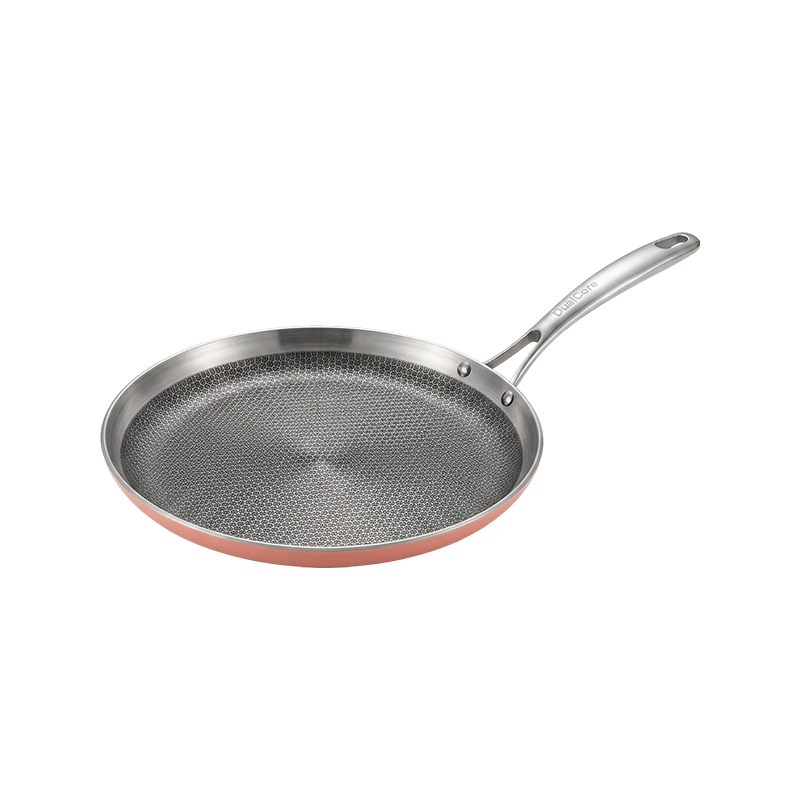
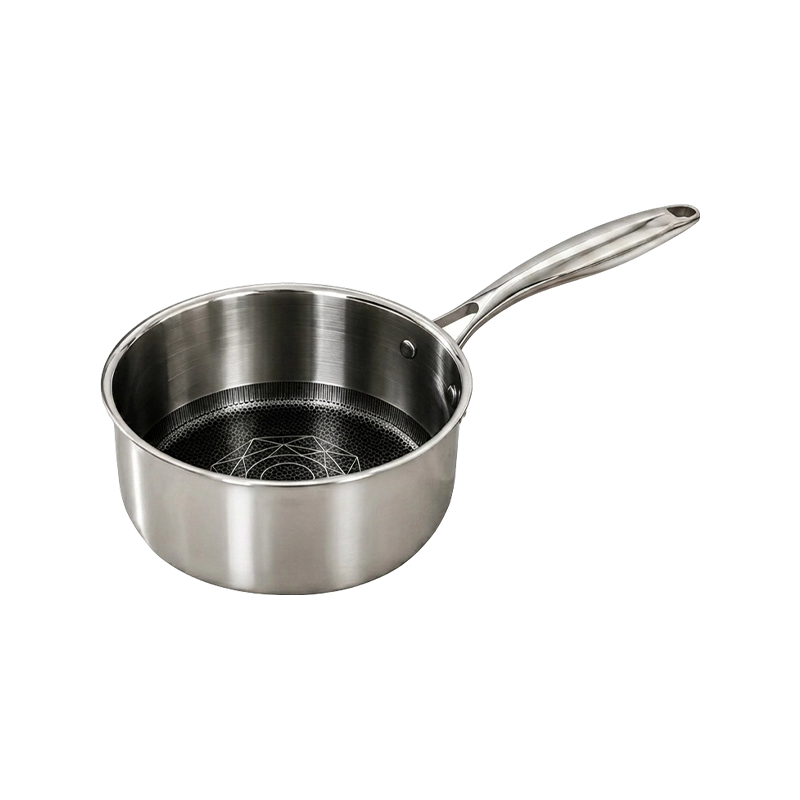
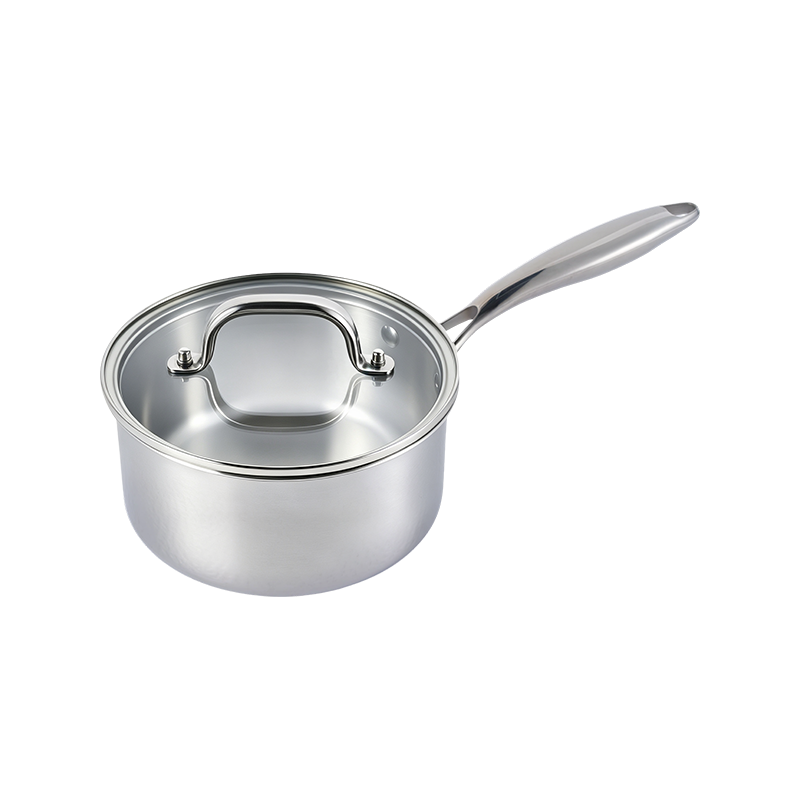
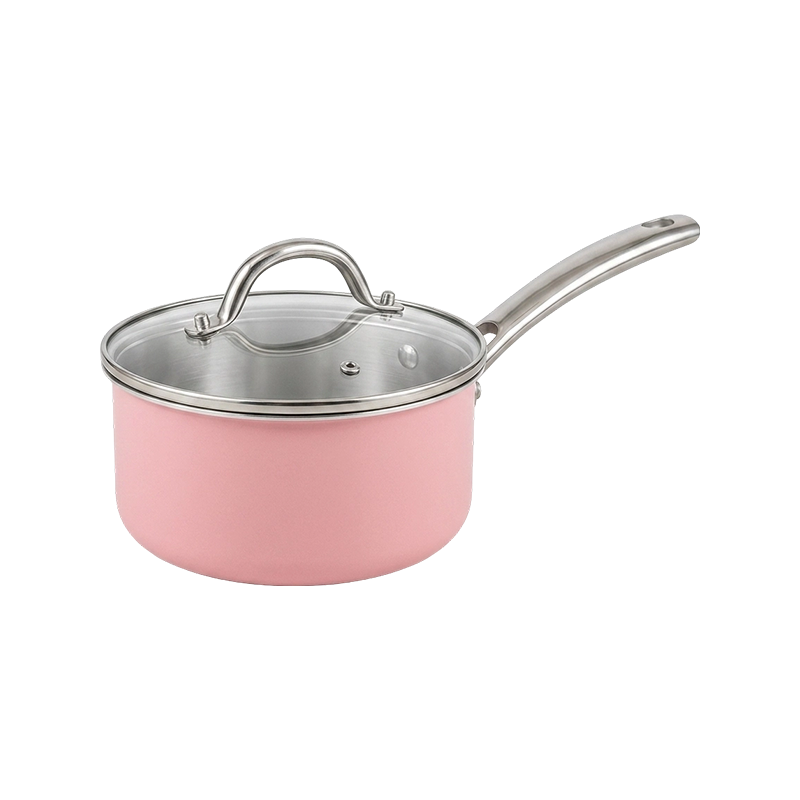
Stay in Touch
Wherever you are, TriCore is ready to serve.
Company Details
24/7 Support Center:
(+86) 13085677677
Email: ideat@tricorecooker.com
Address: Factory Building No. 10, No. 529 Cangling Road, Huzhen Town, Jinyun County, Lishui, Zhejiang, China
Get direction
Copyright © Zhejiang IDEAT Houseware Products Co., Ltd. All rights reserved.
